What is the difference between a ship and a sea container ship
Many people are not clear about the difference between sea container ships and miscellaneous ships. Today, lets popularize this knowledge.
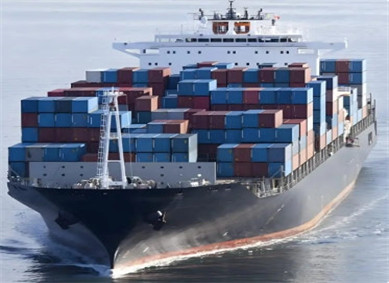
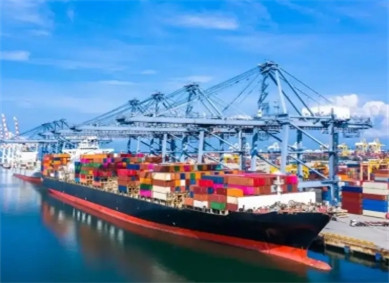
Ò»¡¢ Container ships are transport vessels primarily used for transporting containers. Its freight capacity is calculated by tonnage or expressed by the number of standard containers loaded, with standard containers including 20GP, 40HQ, and 40GP.
Container ships are also classified into full container ships and semi container ships. All cabins and upper decks of a fully loaded container ship are used for loading containers.
Characteristics:
(1) High loading and unloading efficiency, as sea freight containers do not require unpacking for loading and unloading, reducing the number of loading and unloading times during transportation;
(2) Container ships have short port arrival times and fast rhythms. Due to the high utilization rate of mechanical operations in container terminals, the loading and unloading time is much shorter than that of ordinary miscellaneous ships. Generally, loading and unloading ships take about 10 hours, and the berthing time for ordinary miscellaneous ships is calculated in "days";
(3) High fuel consumption and transportation costs compared to miscellaneous ships;
(4) Belonging to liner shipping, shipping companies need to establish offices at each terminal;
A semi container ship refers to a vessel that can transport both containers and general cargo at the same time.
Sea freight containers are suitable for transporting high-value goods, while bulk cargo such as stones is more suitable for scattered ships.
¶þ¡¢ Bulk carriers do not require goods to be packaged in bundles, packs, or boxes, so they are all single deck ships. Bulk carriers are usually leased as a whole. If the cargo volume cannot reach the carrying capacity of the bulk carrier, you can seek help from a shipping agent.
Characteristics:
(1) Slow transportation, low degree of mechanization, and long port arrival time;
(2) Low fuel consumption and lower transportation costs;
(3) Low loading and unloading efficiency;
(4) Most bulk carriers have a long service life and slow updates. Bulk carriers are suitable for transporting large and low value goods such as timber, cement, stones, and coal