How many types of cargo ships are there in sea transportation
Freight forwarders should be familiar with sea transportation, so how many types of transportation vehicles are there for sea transportation - cargo ships? Today I will explain it clearly to everyone!
1. Grocery ship
Mainly transporting various packaged, barreled, boxed, or bundled groceries, including daily necessities, machinery and equipment, building materials, food, etc.
The carrying capacity of ocean going general cargo ships is usually around 10000-14000 tons, while coastal and inland general cargo ships have relatively smaller carrying capacity.
2. Refrigerated ship
Specially used for transporting perishable goods such as meat, fruits, vegetables, dairy products, etc., the ships refrigeration system keeps the goods stored and transported in a low-temperature environment to extend their shelf life.
3. Bulk carrier
Specialized in transporting bulk cargo such as coal, grains, mineral sands, cement, etc.
Common levels and load capacity:
Cape of Good Hope type: With a carrying capacity of generally over 150000 tons, it is mainly used for transporting bulk cargo such as iron ore, and is named after its ability to bypass the Cape of Good Hope.
Panama type: With a load capacity of around 60000 to 80000 tons, it is suitable for transporting goods such as coal and grains through the Panama Canal.
Great flexibility type: with a load capacity of 40000 to 50000 tons, it has good flexibility and can load and unload goods in smaller ports.
Small flexible type: The load capacity is usually around 20000 to 30000 tons, suitable for some branch transportation and small port operations.
4. Wooden boat
A vessel specifically designed for loading timber or logs, with large hatches and no beams, columns, or other equipment obstructing loading and unloading. Timber can be loaded on both the hold and deck.
5. Container ship
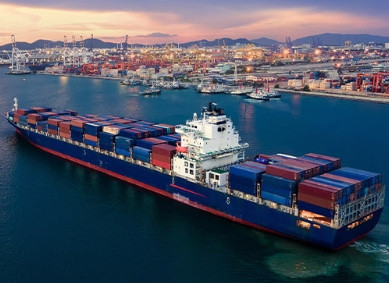
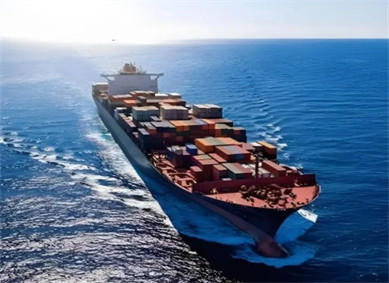
It is one of the most commonly used ships in modern maritime transportation. A vessel primarily used for shipping containerized goods, specifically designed to transport standardized cargo containers of uniform specifications. It can be divided into three types: partial container ships, full container ships, and convertible container ships.
At present, the fifth generation container ships widely used in maritime transportation have a carrying capacity of over 100000 tons and can load more than 8000 standard containers, with greater cargo capacity and higher transportation efficiency.
6. Carrying barge
Also known as mother ship, it is mainly used for transporting barges. The barge can load various goods, and after transporting the barge to the destination port, the barge can directly carry out cargo loading and unloading operations in the water area of the destination port without occupying the dock berth, which improves the loading and unloading efficiency and throughput capacity of the port.
7. Roll on/roll off ship
It is mainly used for transporting wheeled goods such as cars, trucks, and construction vehicles, and can also transport containers and other large cargo. The loading and unloading efficiency of roll on/roll off ships is high, and the goods do not need to undergo complex lifting operations at the port. They can be directly loaded and unloaded through the ships ramp.
8. Oil tanker
Specialized in transporting crude oil or refined oil products, such as gasoline, diesel, aviation kerosene, etc. Most of them are single deck and stern type ships with large tonnage. Modern oil tankers use double-layer hulls and are equipped with dedicated ballast tanks.
9. Chemical tanker
Used for transporting various chemicals, the design and construction of ships have strict requirements based on the degree of danger and nature of the transported chemicals, such as the use of special materials, protective equipment, and safety measures, to ensure safety during transportation.